
Partner Information File
A quick-reference profile of SPI’s field of work, Erasmus+ track record, and team — for partners evaluating a collaboration.
Strategic Partnership Institute (SPI) is a non-profit civil society organisation based in Warsaw, Poland. Since 2018, SPI has promoted peacebuilding, social cohesion, intercultural dialogue, active citizenship, and European cooperation through non-formal education, community-based activities, international mobility, and cultural initiatives.
SPI works with citizens, local residents, community organisations, educators, volunteers, refugees, migrants, internally displaced persons, and people facing social, economic, cultural, or educational barriers. Particular attention is given to communities affected by war, forced displacement, discrimination, and limited opportunities for participation in civic and social life.
SPI’s mission is to contribute to inclusive, peaceful, and resilient societies by:
SPI’s motto, “Peace at home, peace in the world” reflects the organisation’s belief that sustainable peace begins within individuals, families, neighbourhoods, and local communities. By bringing together people from different cultural, social, and national backgrounds, SPI creates opportunities for dialogue, healing, cooperation, and shared learning.
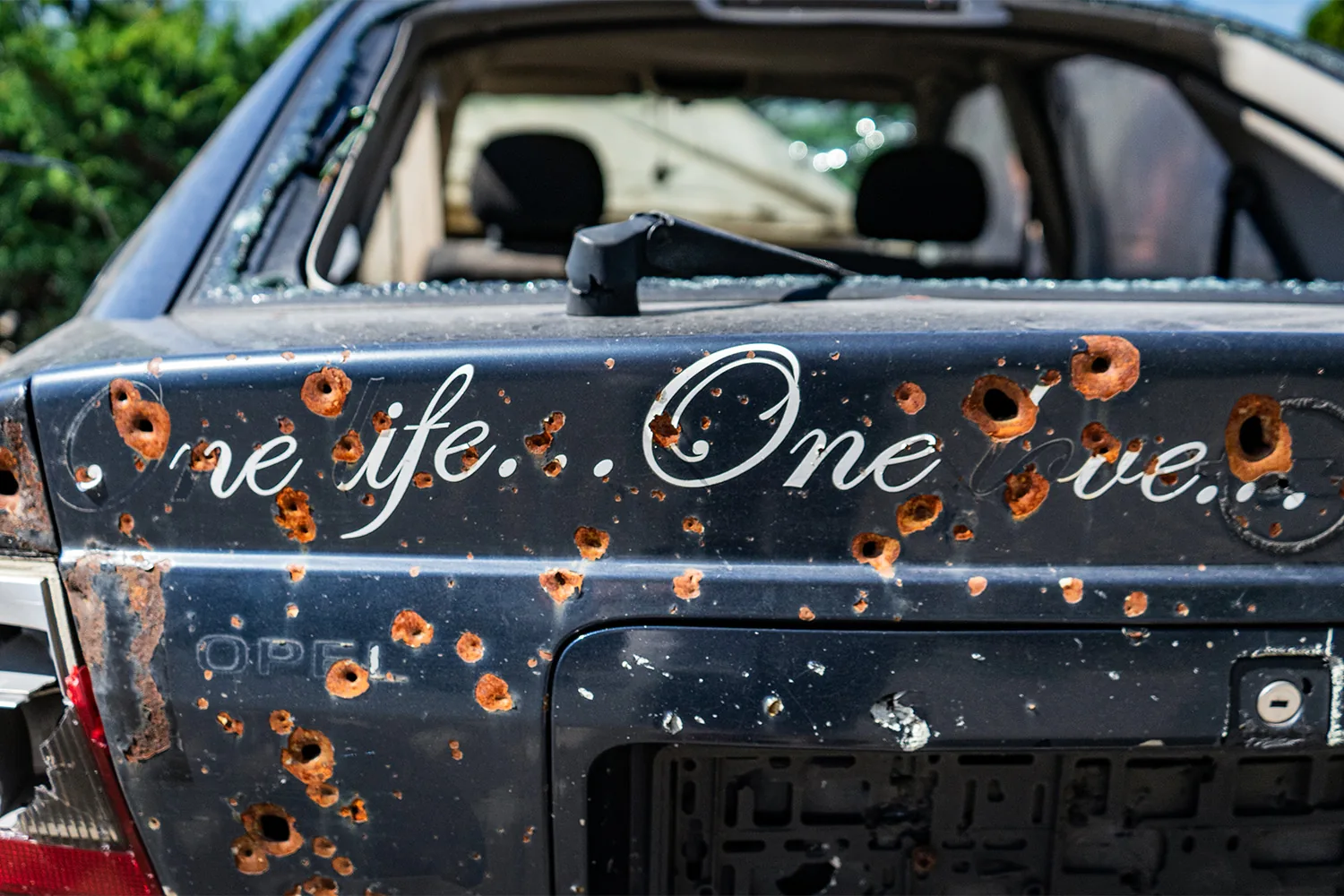
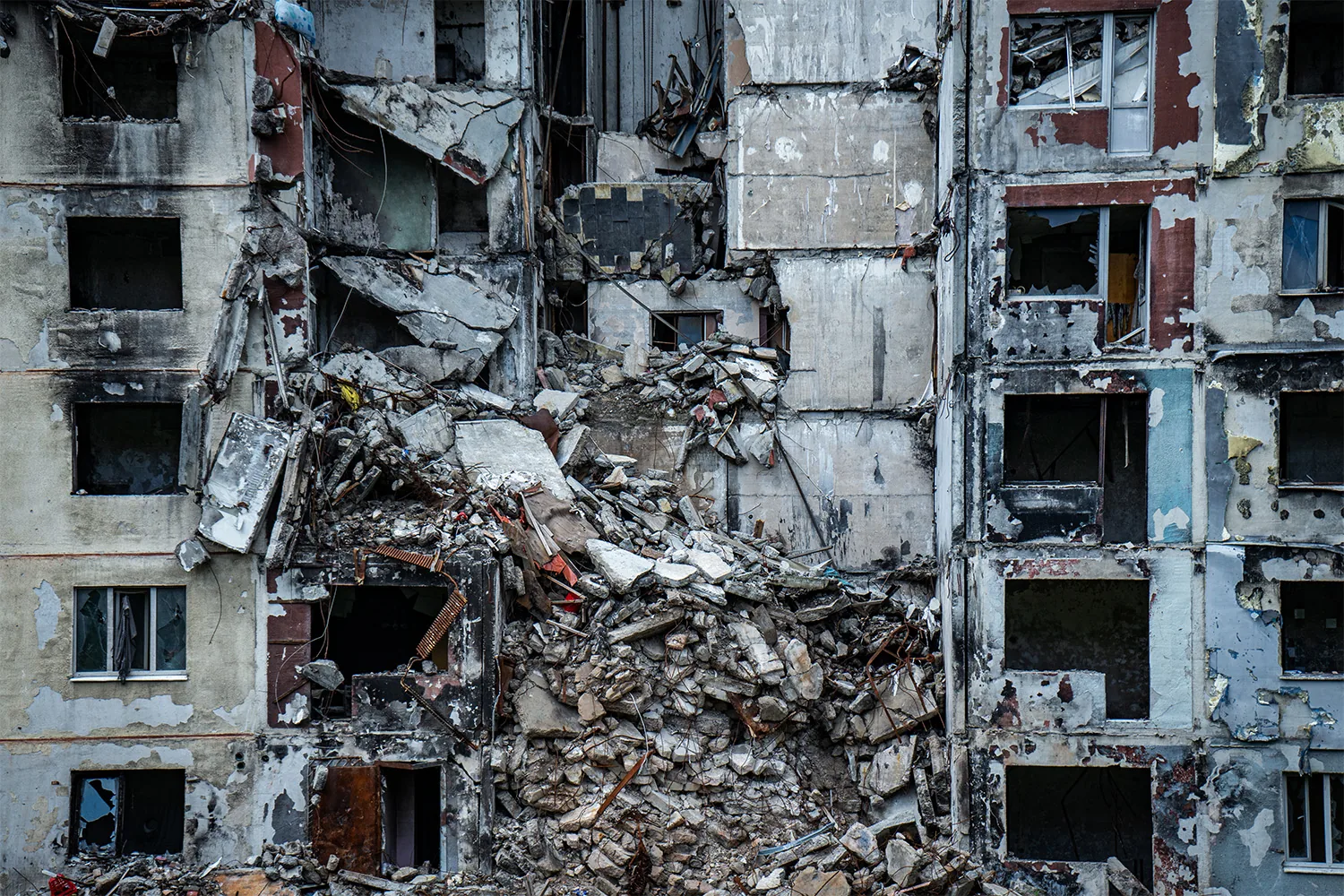
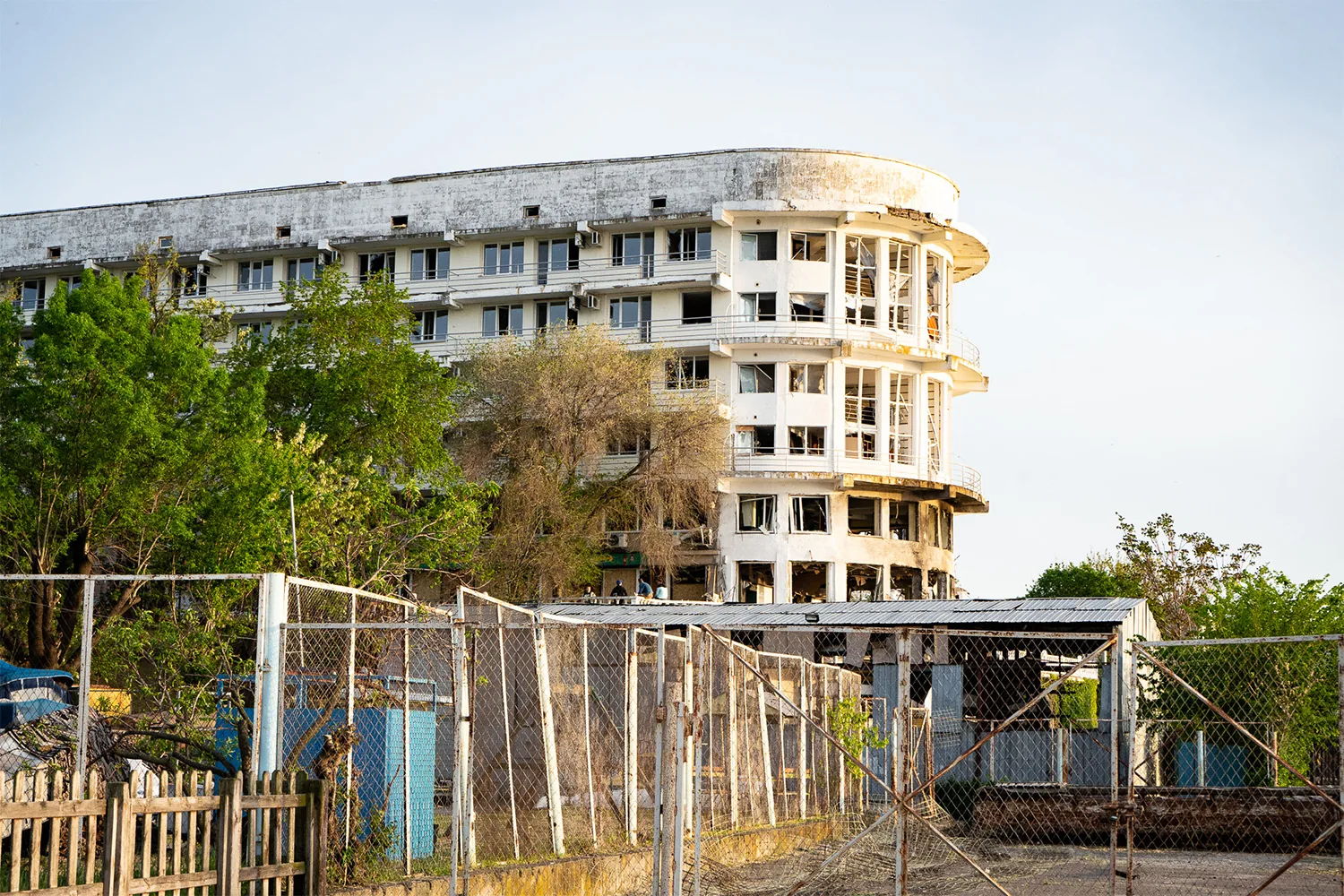
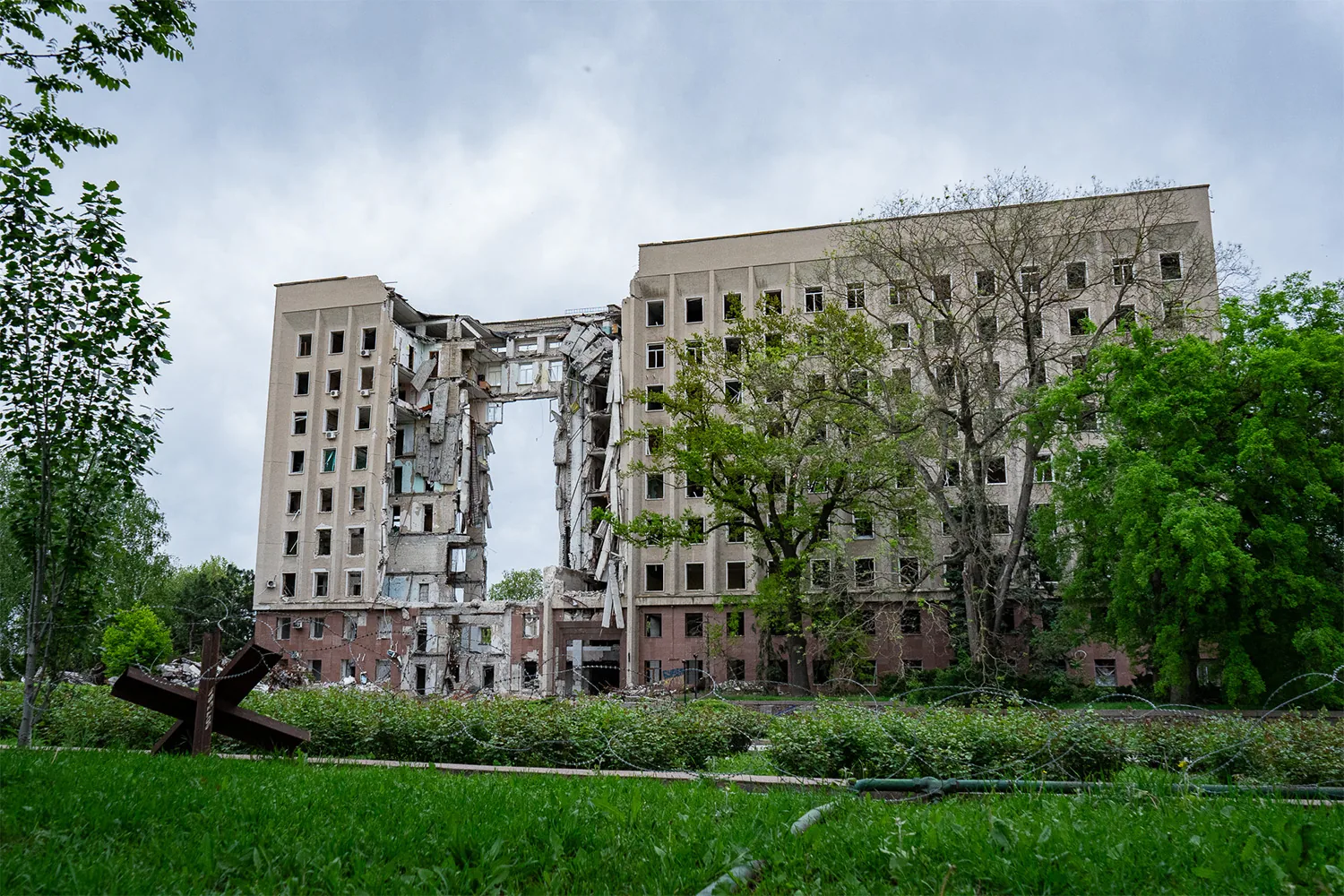
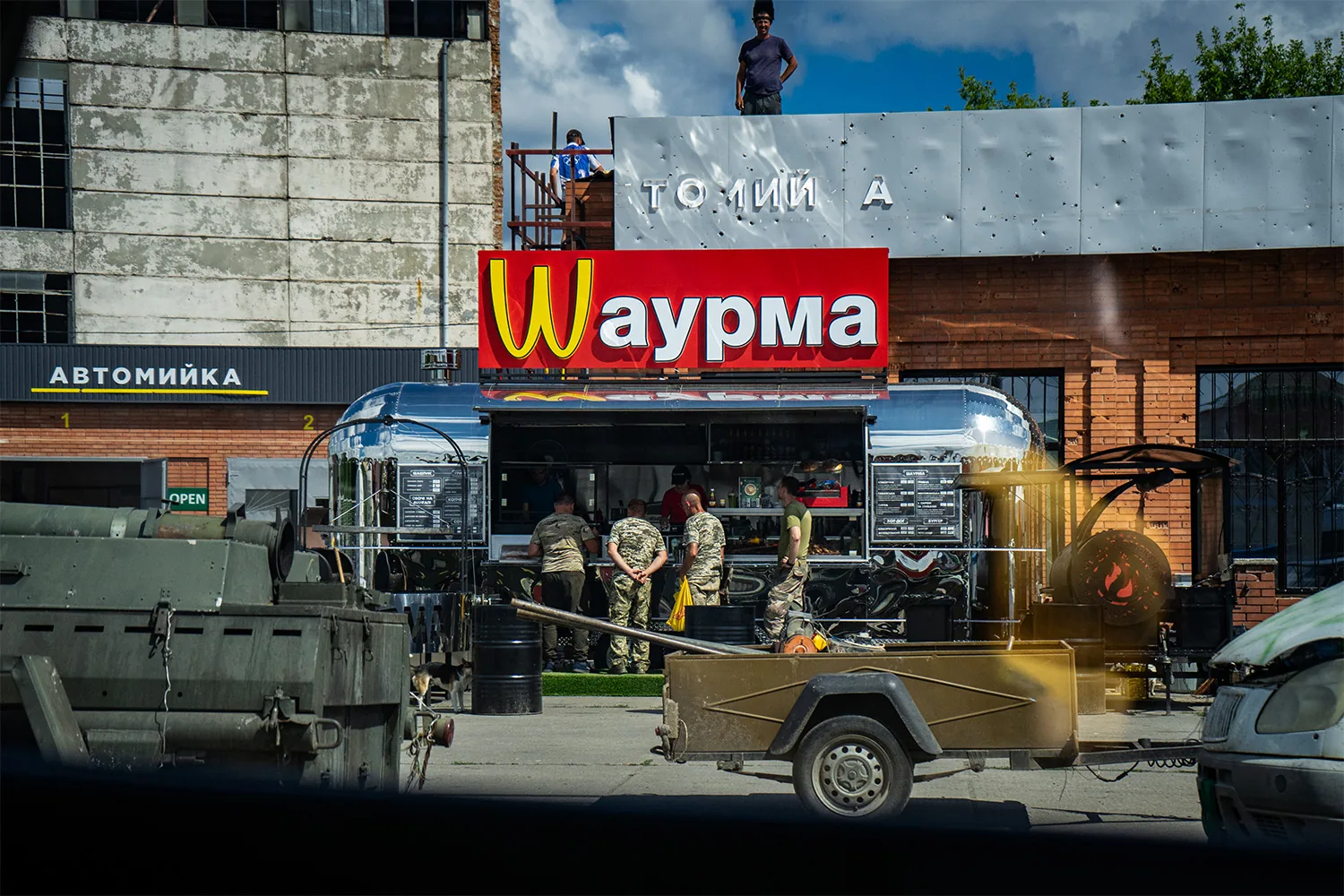
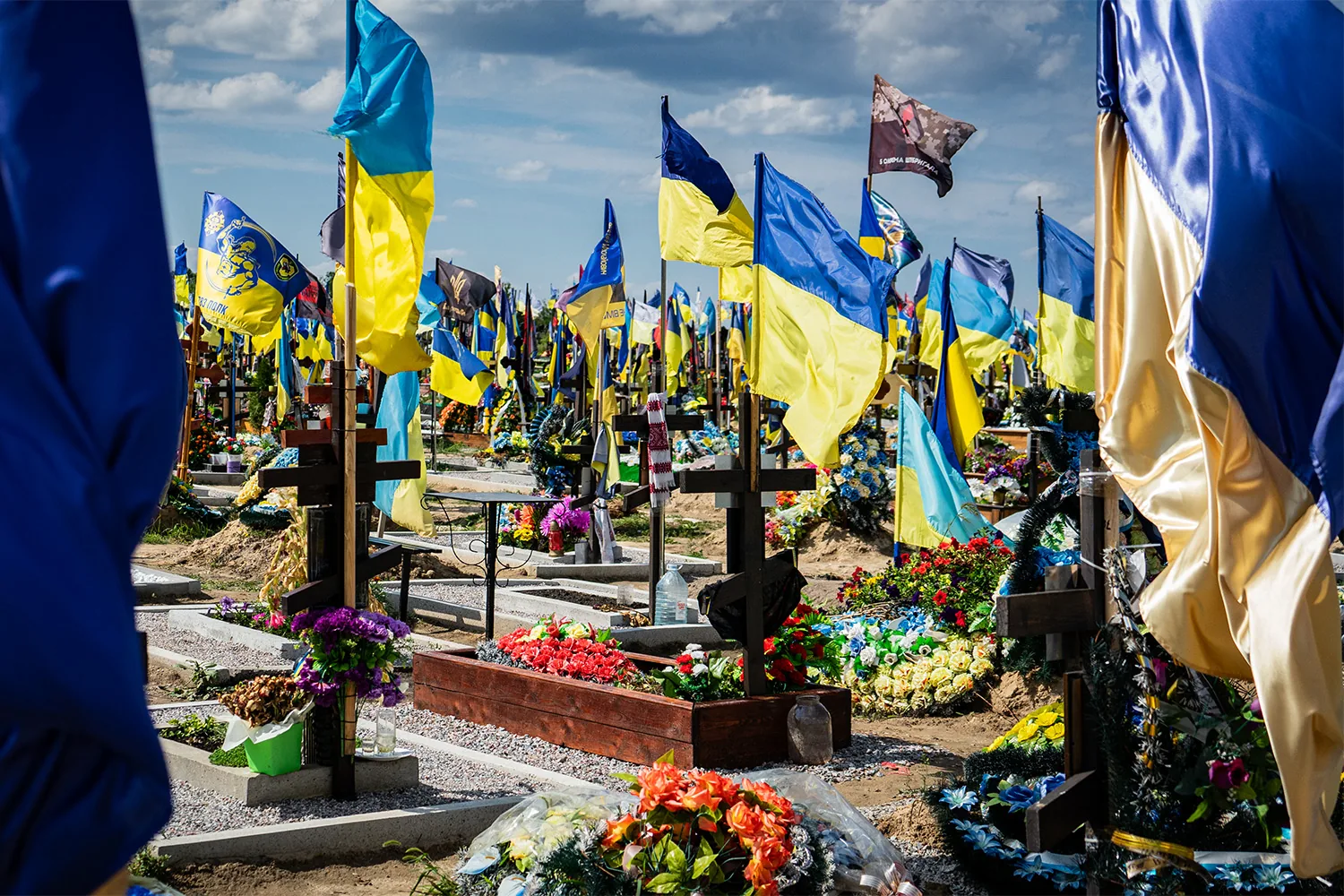
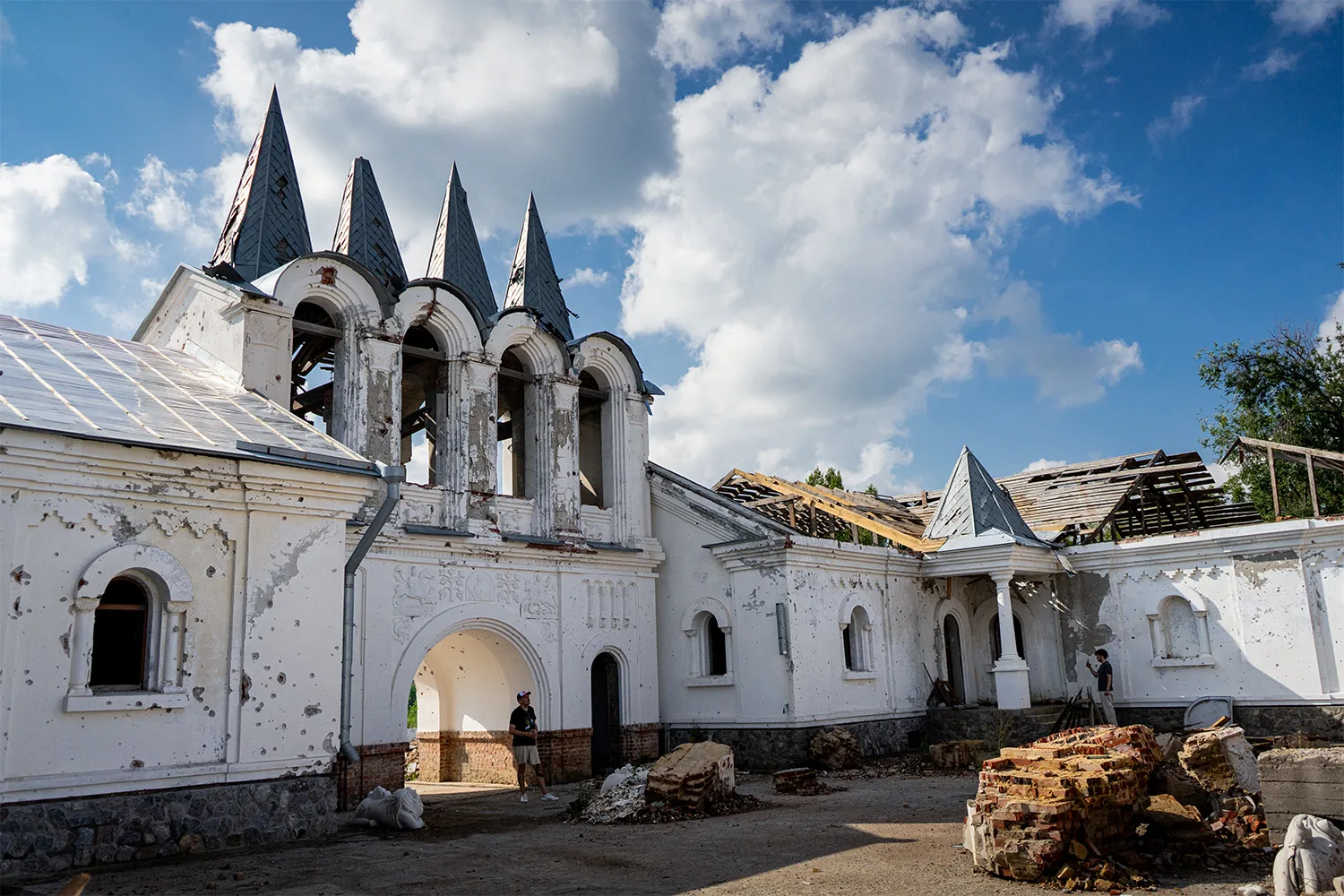
Since the beginning of the full-scale invasion of Ukraine, SPI has deepened its engagement in peace education, humanitarian awareness, and support for war-affected communities. Our team collaborates directly with youth and civil society organisations in Ukraine and organises cultural exhibitions and film nights across Europe to shed light on the human cost of conflict. These initiatives aim to counter disinformation, strengthen European solidarity, and promote active citizenship.
Key activities include:
Youth mobility and training programmes on peacebuilding and humanitarian response.
Thematic exhibitions and storytelling projects about war and forced displacement.
Film screenings and discussions on conflict, resilience, and youth-led recovery.
Social inclusion events co-created with Ukrainian youth in exile or in-country.
SPI has taken part in over 30 Erasmus+ projects under both Key Action 1 and Key Action 2. The organisation has acted both as coordinator and partner, with particular leadership experience in KA1 youth mobility projects. This proven track record demonstrates SPI’s strong capacity in project design, implementation, and international cooperation.
SPI cooperates with over 20 partner organisations in Europe and uses non-formal education as a tool to strengthen democratic values, intercultural competence, and media literacy. Our team includes youth workers, educators, and volunteers with significant experience in project management, international cooperation, and civic engagement.
Through its work, SPI contributes to several Erasmus+ priorities:
Inclusion and Diversity by supporting displaced and marginalised youth.
Participation in Democratic Life by encouraging civic engagement and intercultural dialogue.
International Dimension through partnerships and initiatives involving Ukraine.
Communicating EU Values by promoting peace, tolerance, and solidarity through education and culture.
Strategic Partnership Institute (SPI) is a Warsaw-based non-profit with a decade of youth work experience (team active since 2014) and a proven Erasmus+ track record of 30+ projects across KA1 and KA2—acting both as coordinator and partner, and mainly leading KA1 youth mobility projects. Our network includes organisations with strong expertise on refugees/IDPs, particularly from and in Ukraine.
You can find more information about the projects on the Erasmus+ Project Results Platform by simply entering the project number into the search bar.
European Peace Corps
Training course on peacebuilding, conflict transformation, mediation, and Erasmus+ project development. Activities: interactive workshops, conflict simulations, role playing, dialogue facilitation, peer learning, reflection groups, project design labs, and partnership building in Batumi, Georgia. Participants develop practical skills to prevent and transform conflicts, support young people affected by violence, migration, and social polarisation, and co-create new Erasmus+ peacebuilding projects. The project strengthens an international network of peace practitioners and promotes long-term local follow-up initiatives, knowledge transfer, and cooperation to build more resilient and peaceful communities.
Inclusion in Practice
Training course on meaningful participation and inclusion of migrant, refugee, and internally displaced youth. Activities: non-formal education, simulations, Theatre of the Oppressed, World Café, Open Space Technology, peer learning, organisational inclusion audits, gamification, digital tools such as Miro and Canva, and development of practical participation methods for non-native speakers. The project strengthens youth workers’ capacity to remove cultural, linguistic, and systemic barriers, supports democratic participation, and creates open-access resources, local multiplier workshops, and a practical Inclusion Toolkit to improve long-term youth participation across Europe.
Peace in Action
Training course on peace education, conflict transformation, intercultural dialogue, and digital youth work. Activities: nonviolent communication, mediation, human rights education, storytelling, artivism, sport-for-peace methods, digital campaign creation, and local multiplier workshops combating hate speech, discrimination, polarisation, and radicalisation. Includes development of a Peace Education Toolkit and strengthening of European cooperation on inclusive and resilient youth work.
Peace Labs for Uniting Communities
Training course on dialogue facilitation, depolarisation, restorative practices, nonviolent communication, and prevention of radicalisation. Activities: Peace Labs in six countries, practical simulations, deliberative discussions, intercultural learning, local testing of non-formal education methods, and development of a digital Peace Labs Toolkit for youth practitioners across Europe.
Act4Peace
Youth exchange focusing on conflict prevention, peacebuilding, trauma recognition/management, negotiation, and diplomacy. Activities: interactive lectures, simulations, case studies on needs of conflict-affected populations, soft-skills development, and pathways to volunteering/employment in the peace/humanitarian field.
From Piece to Peace
Training course on nonviolent communication, conflict mediation, mindfulness, intercultural competence, and community peacebuilding, with a strong focus on resilience and sustainable local impact.
Youth exchange focusing on documentary filmmaking, ethical storytelling, and community resilience in the aftermath of natural disasters. Activities: meetings with local communities in the earthquake-affected Hatay region, visits to an internally displaced persons (IDP) centre, discussions on the long-term social and humanitarian impact of the earthquakes, hands-on film production, and creation of a short documentary highlighting personal stories to promote empathy, intercultural dialogue, and social awareness.
Meutopia
Youth exchange on reducing euroscepticism and discrimination through youth dialogues on European values, EU institutions, and European integration, with a strong focus on critical thinking and intercultural competence.
Build Peace with the Masters of Thought – Kant, Erasmus, Mevlana (KEM)
Youth exchange on countering xenophobia and racism through the philosophies of Kant, Erasmus, and Mevlana, promoting intercultural dialogue, tolerance, and anti-discrimination competencies among young people.
Clickbait
Youth exchange focused on media literacy, countering disinformation, and critical thinking through practical workshops and youth-led online campaigns, with particular relevance to the information environment surrounding Russia’s war against Ukraine.
Fair Play
Youth exchange using sport to promote inclusion and peace, address violence and discrimination in youth sports, and build a European network of young people committed to tolerance and fair play.
Lifeboat
Cooperation Partnership (KA2) focused on the integration of young refugees and migrants through inclusive educational and leisure pathways co-designed with young people.
Virus on the Job Market
Youth exchange focused on improving young people’s employability in the post-pandemic labour market through soft skills development, job interview and self-presentation skills, entrepreneurship, freelancing, conflict resolution, public speaking, networking, and adaptability to changing employment conditions. The project also addressed inclusion and discrimination affecting people with disabilities, women, and other groups facing barriers to employment.
Talking Is Easy, Acting Is Difficult
Youth exchange focused on active citizenship and youth participation, helping young people understand community needs, develop ideas for local action, share good practices, and turn knowledge into practical initiatives. The project used non-formal education, research, strategy development, interactive workshops, simulations, and a support campaign for Ukraine, with participants creating videos and posters to share the results across Europe.
Sport without Boundaries
Collaborative Partnership (Sport) promoting equal opportunities, volunteerism, and healthy lifestyles through grassroots sport, supported by online educational resources and a video campaign.
Women’s Healthy and Active Lifestyle Is Threatened by Verbal Sexual Harassment: Let’s Stop Catcalling in Sport! (WHISTLE)
Collaborative Partnership (Sport) focused on preventing verbal sexual harassment in sport through the establishment of WHISTLE Advice Systems in more than 30 sports clubs and the delivery of empowerment programmes for women.
DigitalWise
European Youth Together project addressing digital inequalities among young people by improving digital literacy and skills, developing participation tools, promoting peer learning, and supporting vulnerable youth through consultations, policy recommendations, networking, and social awareness campaigns.
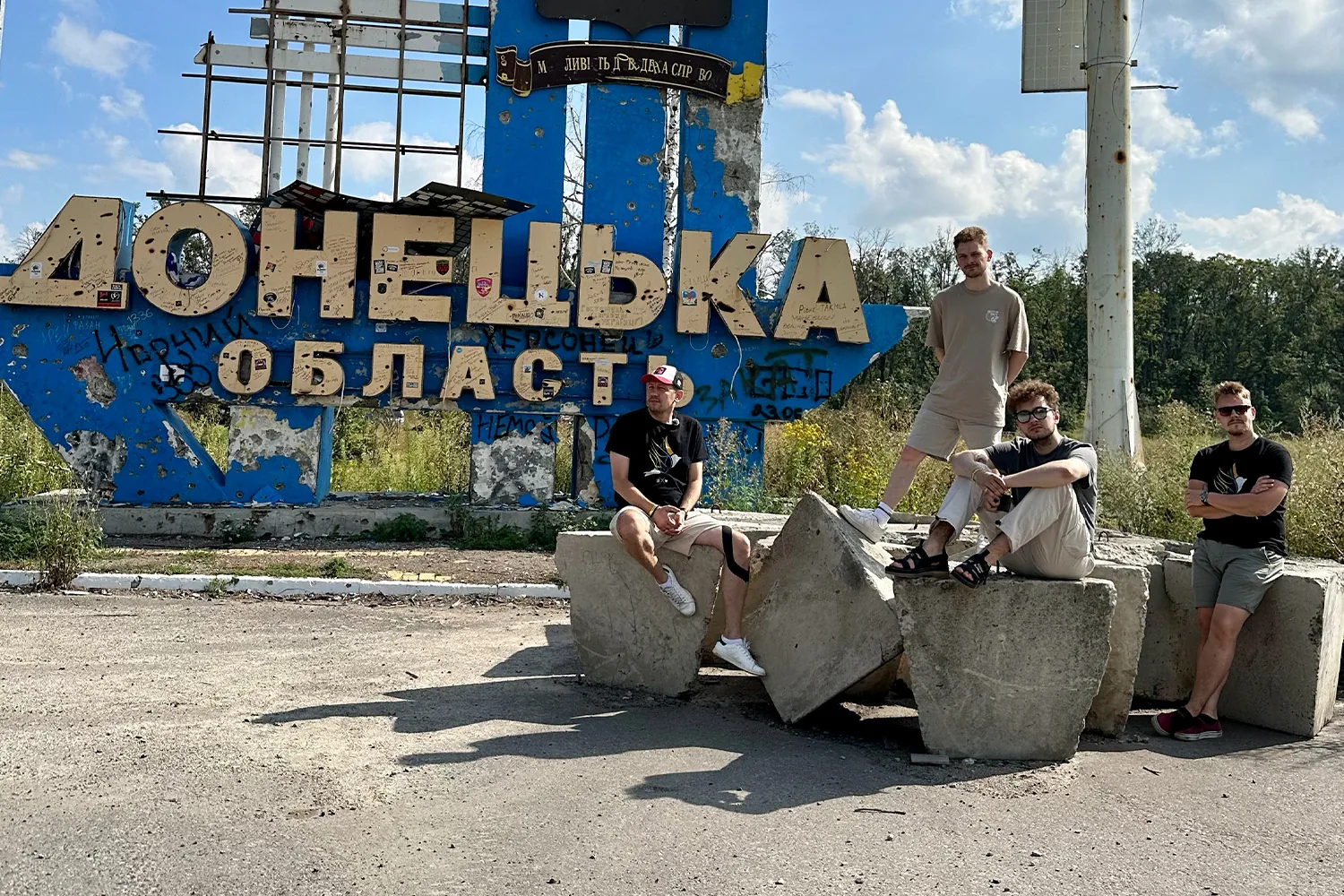
“A Million Voices” training course, facilitated by SPI in Kramatorsk, Ukraine, provided first-hand learning in a conflict-affected environment and deepened our partnership with Ukrainian civil society organisations. As part of the programme, SPI managed the logistics for a group of 24 international participants, coordinated meetings with local stakeholders, and organised a field visit to the frontline town of Avdiivka, now under Russian occupation. Participants met local residents, gained a deeper understanding of the humanitarian impact of the conflict, and took part in the restoration of a children’s playground, contributing directly to the local community.
The key individual responsible for this application and the implementation of the project is Tomaš Jenkelevič, Head of the Strategic Partnership Institute (SPI).
Head of SPI
Tomaš is an experienced European cooperation specialist, civil society leader, trainer, and project manager with more than ten years of involvement in international education, civic participation, democracy, peacebuilding, and social inclusion initiatives. He has coordinated and facilitated numerous international exchanges, training courses, community programmes, and European learning activities involving participants and organisations from different cultural, social, and institutional backgrounds.
His experience gives him a strong understanding of the complete EU-funded project cycle, including needs analysis, project design, partnership development, preparation of funding applications, activity planning, budget coordination, participant support, quality assurance, monitoring, evaluation, dissemination, sustainability, and reporting.
Tomaš has extensive knowledge of European funding programmes and policy frameworks relevant to civil society, education, democracy, social innovation, human rights, and community development. His expertise extends beyond Erasmus+ and includes the wider European funding landscape, particularly programmes and initiatives connected to:
He is able to connect project ideas with relevant European priorities, policy objectives, funding opportunities, target groups, and expected social impact. This enables him to develop projects that are not only technically sound, but also strategically aligned with wider European objectives.
His areas of expertise include:
Tomaš has substantial experience in designing and facilitating participatory learning processes. He applies methods such as simulations, role plays, case studies, structured dialogue, peer learning, group reflection, world café discussions, scenario-based exercises, and practical community assignments. He is skilled in adapting educational activities to participants of different ages and to people with diverse cultural, linguistic, educational, and socio-economic backgrounds.
He is particularly effective in working with participants with fewer opportunities, including refugees, migrants, internally displaced persons, minorities, and people affected by conflict, discrimination, economic hardship, or limited access to international opportunities. His approach combines empathy and trauma sensitivity with clear project structures, learning objectives, safeguarding standards, and measurable results.
His leadership and contribution to civil society have received formal recognition. He was awarded Volunteer Leader of the Year for his contribution to civic engagement and community development. He was also part of a team recognised through the European Charlemagne Youth Prize in Aachen, Germany, for its contribution to European integration, peace, and solidarity.
Beyond project management and non-formal education, Tomaš contributes to European Union election observation missions in different regions, with particular experience in Eastern Europe. This work has strengthened his expertise in democratic standards, human rights, civic participation, electoral processes, good governance, political analysis, and communication in sensitive and complex environments.
His election observation experience also provides valuable insight into challenges such as democratic disengagement, political polarisation, disinformation, distrust in institutions, and unequal access to civic participation. These competences are highly relevant to European projects promoting democracy, media literacy, social cohesion, active citizenship, and resilience.
Tomaš holds a Bachelor’s degree in Political Science from the University of Warsaw and has complemented his academic background through studies in Türkiye, Malta, and Lithuania. His international education and professional experience have strengthened his analytical capacity, intercultural competence, adaptability, leadership, and ability to manage cooperation between organisations from different countries and sectors.
Within the project, Tomaš will be responsible for:
Tomaš combines strategic vision with practical implementation capacity. His knowledge of European policies and funding mechanisms, together with his experience in civil society, education, democracy, and social inclusion, ensures that the project will be managed professionally, ethically, and effectively. He brings the leadership, credibility, intercultural competence, and commitment required to deliver meaningful and sustainable results for participants, partner organisations, and the wider community.
Active member of SPI
Tomaš is supported by Weronika Kędzia, an active member of the Strategic Partnership Institute and a specialist in international relations, democratic participation, social inclusion, and citizen engagement.
Weronika holds Bachelor’s and Master’s degrees in International Relations and is currently pursuing a PhD in Political Science and Public Administration at Adam Mickiewicz University in Poznań. As a member of the university’s Democratic Innovations research team, she contributes to research on deliberative democracy, citizens’ assemblies, and the integration of public deliberation into democratic decision-making. Her doctoral research focuses on citizens’ assemblies in multilingual societies in Central and Eastern Europe.
Her academic and practical background gives her strong expertise in:
Weronika has also contributed to European projects addressing social exclusion, gender equality, violence prevention, equal access to opportunities, and the use of sport as a tool for peace, inclusion, and community building. Through this work, she has gained practical experience in activity planning, participant engagement, local outreach, educational content development, project communication, and cooperation with people from different social and cultural backgrounds.
Her combination of academic research and civil society experience is particularly valuable for EU-funded initiatives. She is able to translate research findings and European policy priorities into practical activities, measurable objectives, and inclusive project approaches. Her competence is relevant to programmes such as Erasmus+, Citizens, Equality, Rights and Values, Horizon Europe, the European Social Fund Plus, and other European funding instruments supporting democracy, social innovation, equality, education, participation, and community resilience.
Within the project, Weronika will support:
The combination of Tomaš’s strategic leadership and extensive European project-management experience with Weronika’s academic, analytical, and community-engagement expertise provides the project with a strong operational and intellectual foundation. The wider SPI team further contributes competences in facilitation, communication, safeguarding, financial administration, dissemination, and partnership coordination.